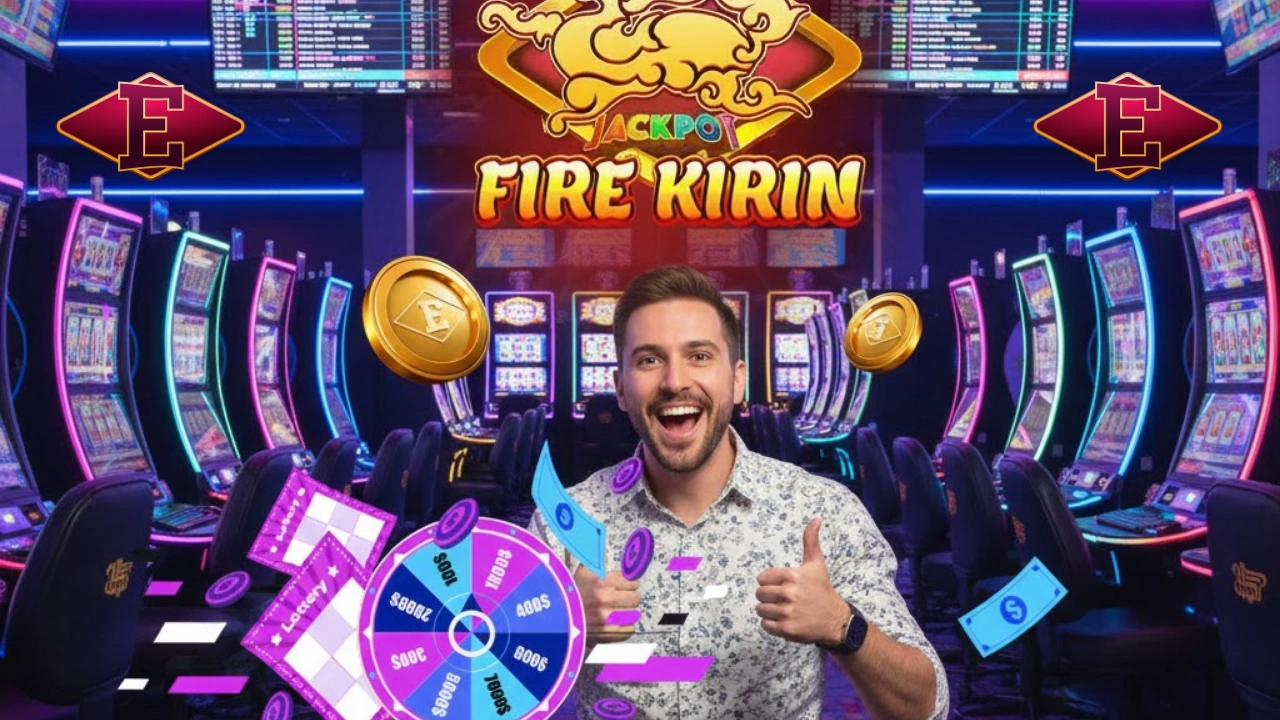
You’ve been watching the iGaming market. You know where margins are. You know what operators struggle with. Now you’re wondering if becoming a Fire Kirin distributor fits your business. The answer depends on what you’re actually trying to build.
Why Fire Kirin Distribution Is Timing It Right
Fire Kirin isn’t new. But distributor economics have shifted dramatically in 2025. Consolidation is real. Weak distributors are leaving because they treated this like a commodity play. Smart distributors, the ones growing four-figure monthly revenue, treat it like a relationship business. They understand Fire Kirin’s platform architecture. They know the games that convert. So, they build systems for operator success. That’s why they win.
This guide cuts through the noise. You’ll understand what Fire Kirin distribution actually requires, how distributors make real money, and whether your business structure makes sense for entry. We’re not selling you hype. We’re showing you the mechanics that separate successful distributors from ones who burn capital and quit.
The Fire Kirin Platform: Understand What You’re Actually Distributing
Fire Kirin is a fish table and slot game platform. That specificity matters. It’s not a general gaming marketplace. It’s a specialized vertical with distinct player psychology, retention mechanics, and operator economics.
The game library includes titles like Colosseum, God of Fortune, Dragon’s Luck, and Lucky Koi. Each game has a strategic purpose. Fish games attract players who want skill-based play and social competition. Slot games retain players who prefer simplicity and variable reward schedules. The combination creates redundancy. A player who cools on fish games still finds slots engaging. That diversity directly improves operator retention rates.
Fire Kirin’s management system architecture enables multi-tier distribution. As a master distributor, you can create sub-distributors. Those sub-distributors create store partners. Each tier generates commission. The tiering model is profitable precisely because it scales without requiring you to directly manage every endpoint. That’s the real opportunity most new distributors miss.
Technical infrastructure matters more than most realize. An HTML5 interface means players access games from mobile, desktop, or tablet without friction. Responsive design isn’t optional. It’s a profit infrastructure. A platform that feels clunky on mobile loses retention 40-60% versus optimized mobile experiences. Fire Kirin’s engineering reflects this prioritization.
Calculate Your Real Unit Economics Before Entry
Most new distributors jump in without mapping how money actually flows. That’s a catastrophic mistake.
Your revenue comes from two sources: upfront capital deployment and ongoing commission. You purchase credits at a wholesale rate. You sell them to sub-distributors at a markup. They sell to store owners at a higher markup. Store owners deploy credits to players. Players spend money. Credits return to you for replenishment, and the cycle repeats. Each cycle generates your margin.
Let’s map the math. You might deploy $50,000 in initial capital. This buys you entry-level distributor status. Fire Kirin lets you purchase credits at preferential wholesale pricing. You mark them up typically 5-15% for sub-distributors. They mark up another 10-20% for store partners. Store owners deploy to players, who spend via Gold Coins and redemptions.
Successful distributors report 20-35% annual return on deployed capital. That’s not exponential. But it’s stable and predictable for the first two years before you scale. The math only works if you’re constantly managing credit replenishment, optimizing store partners’ performance, and expanding your operator network.
What kills new distributors: they deploy capital but don’t actively optimize operator profitability. Operators who aren’t growing blame you. They don’t reorder credits. Your capital sits idle. Monthly revenue evaporates. This isn’t Fire Kirin’s fault. It’s your fault for not building a support system.
Successful distributors treat operator optimization as their core job. They run retention reports and help operators identify underperforming locations. Also, they suggest game library adjustments and provide marketing assets. That active partnership turns marginal stores into 5-figure monthly operations. Your commission scales with operator success.
The Distributor Application Process and Reality Check
Fire Kirin accepts applications from entrepreneurs and existing operators wanting to expand. The application process is straightforward, but what happens after the application reveals who succeeds.
You’ll fill out forms describing your business model, target markets, and capital available for deployment. Fire Kirin evaluates your business structure, financial stability, and market strategy. This is exactly what they should do. Weak capital or an unfocused market strategy predicts distributor failure. Fire Kirin has institutional memory from past distributor exits. They’re filtering for committed partners.
Expect 5-10 business days for preliminary approval. Once approved, you’ll proceed to agreement negotiation. This is where terms matter. Commission structure, territory protection, marketing asset access, technical support response times, all negotiated here. Don’t rush this. Agreement terms determine your profitability ceiling.
What most new distributors underestimate: this is not employment. You’re starting a business. You require upfront capital. You’re responsible for your own marketing, operator support, and compliance. Fire Kirin provides software, games, and backend infrastructure. Everything else is your job.
Territory questions matter significantly. Some distributors receive geographic exclusivity in specific states. Others operate in multi-distributor regions. Understand your territory clearly. Competitive intensity varies enormously. Texas markets are more saturated. Wyoming markets have less competition. Territory assignment influences your realistic growth curve.
Build Your Operator Network Systematically

This section separates successful distributors from failures. Acquisition of operator partners is everything.
Most new distributors make the mistake of pursuing every operator prospect equally. That’s wrong. Successful distributors segment prospects into three categories: anchor stores, secondary markets, and exploratory.
Anchor stores are established venues with foot traffic, existing loyalty, and operational sophistication. A convenience store chain, gaming lounge, or established internet cafe. These operators understand player preferences, manage cash flow effectively, and respond to optimization advice. Target anchors first. A single anchor doing $8,000 monthly is worth five marginal stores doing $500 each.
Secondary markets are independent stores, bars, or new gaming venues without gaming experience. They offer potential but require training and support. Deploy resources here after anchors are solid.
Exploratory prospects are unproven, low-capital operators. They sound great verbally, but often lack operational discipline. Deploy minimal resources until they prove performance.
Your acquisition approach for anchors should include specific data about operator economics. Show real examples. “Other operators in your market are generating $4,000 – $7,000 monthly from Fire Kirin with foot traffic similar to yours.” That specificity beats generic pitches.
Operator onboarding isn’t a one-time event. New operators need training on account creation, player acquisition, and performance management. Provide documentation and video walkthroughs. Some distributors assign technical support staff to the new operator for the first 30 days. That investment pays dividends through improved launch performance.
Operator Support Systems That Compound Revenue
Distributor profitability isn’t determined by operator acquisition. It’s determined by operator retention and growth.
Create a monthly operator analytics dashboard. Show them key metrics: new player signups, active players, revenue per player, and top-performing games. Data transparency builds trust. Operators who see clear metrics understand their business better and make better decisions.
Host monthly or quarterly operator calls. Share market trends, new game launches, and performance insights from top operators. Operators who feel part of a community become advocates. They refer to other venues. Referral acquisition costs zero.
Develop templated marketing assets. Store signage, social media graphics, and landing page copy for local advertising. Operators who lack marketing capability now have tools to compete. That reduces friction to launch.
Implement a tiered commission structure rewarding operator growth. Operators hitting $5,000 monthly get preferential credit pricing. Operators hitting $10,000 get even better rates. This incentive alignment motivates operator optimization.
Track operator performance weekly. Operators showing declining trends need intervention. Maybe they’re not acquiring players effectively, or they aren’t resonating. Maybe compliance became an issue. Diagnose early. Fix fast. Operators appreciate distributors who are proactively alert to problems rather than discovering declining revenue passively.
Navigate Compliance Before Scaling
Regulatory clarity improved in 2025. That doesn’t mean regulatory risk disappeared.
iGaming law requires careful attention to dual-currency structure. Gold Coins (purchased) stay separate from Sweeps Coins (earned). Sweeps redeem for cash prizes. This separation is technically critical and legally essential. Fire Kirin’s system architecture enforces this by design. Your responsibility: ensure sub-distributors and operators understand the distinction and don’t blur it.
State-specific regulations vary. Texas, Oklahoma, and New Mexico welcome gaming. California, Montana, and Louisiana have tightened restrictions. You must verify compliance for every operator location. This isn’t Fire Kirin’s problem to solve. It’s yours.
Operator due diligence matters. Before onboarding a venue, verify they understand local regulations. Some stores operate in gray zones legally. Your distributor status doesn’t protect you from operator misconduct. Vet thoroughly.
Maintain audit trails. Document all distributor-to-store credit transfers. Maintain records of operator agreements and performance metrics. If regulatory questions arise, documentation protects you. Vague records destroy your defense.
How to Succeed as a Fire Kirin Distributor
Successful Fire Kirin distributors share three characteristics. First, they understand unit economics. They know their margin structure, deployment capital required, and break-even points. They treat this as a business, not a lottery ticket. Second, they build operator-centric support systems. They don’t sell and disappear. They actively optimize operator performance because their revenue scales with operator success. Third, they maintain compliance discipline. Regulatory shortcuts might accelerate short-term revenue but destroy long-term viability.
The Fire Kirin opportunity isn’t going anywhere. But the window for new distributor entry is narrowing as markets consolidate. Regions with operator saturation show slowing growth. Regions with minimal competition still reward first-movers significantly. Strategic market selection matters enormously.
Fire Kirin distribution isn’t passive income. It’s an active business requiring capital, support infrastructure, and operator relationship management. But executed correctly, it generates stable 20-35% annual returns with minimal operational overhead. That consistency is the real value proposition.
Conclusion
Becoming a Fire Kirin distributor is achievable. The path is clear, and the profitability is real. However, success comes from treating this as a serious game credit business, not a side project. It requires capital, long-term commitment, and the ability to actively support and optimize your operator network.
Epic Entertainment stands out as a leading game credit provider, partnering with distributors and operators who understand that Fire Kirin’s growth depends on reliable system architecture, strong operator support, and disciplined compliance. As a top game credit supplier, Epic delivers platform expertise, market intelligence, and network access that help distributors scale faster and more efficiently. Our team has supported growth from single operators to multi-state networks by focusing on proven fundamentals: strong operator relationships, performance optimization, and clear operational standards.
To get started, assess your available capital, identify target markets with manageable competition, and prepare your distributor application. When you’re ready to discuss partnership details, reach out to Epic Entertainment, a trusted and established Fire Kirin game credit provider. Strategic entry opportunities are still open in select markets. Move with purpose, and you’ll position yourself for sustainable, long-term growth.
FAQs
Initial capital ranges from $10,000 to $50,000+, depending on the target market size. This covers wholesale credit purchases, onboarding, and operator support setup. Successful distributors report 20–35% annual return on deployed capital within the first two years as they build operator networks.
Complete the Fire Kirin distributor application form with business details. Provide capital availability and target market information. Fire Kirin evaluates your proposal within 5-10 business days. Upon approval, negotiate terms, sign agreements, and gain access to distributor management systems and marketing assets.
No. Fire Kirin distribution requires active operator support and network optimization. Successful distributors spend 10-15 hours weekly managing operator relationships, analyzing performance data, and onboarding new partners. Passive distributors see declining operator performance and shrinking revenue.
Fire Kirin operates in most U.S. states, but compliance varies significantly. Texas, Oklahoma, New Mexico, Florida, Colorado, North Carolina, and Hawaii have favorable regulations. California, Montana, and Louisiana have recently imposed restrictions. Verify your target state’s gaming laws before applying.