

Setting up your game price settings correctly can make or break your online gaming business. Whether you’re running a gaming lounge, managing an agent network, or distributing game credits, understanding how to configure prices and payout percentages determines your profitability and customer satisfaction.
This guide walks you through the essential strategies for optimizing your gaming setup price structure and establishing competitive RTP settings that keep players engaged while protecting your margins.
What Are Payout Percentages and Why Do They Matter
Payout percentages, also called Return to Player (RTP), represent the percentage of total wagers that a game returns to players over time. If a game has a 96% RTP setting, players can expect to receive $96 back for every $100 wagered over extended play sessions.
Understanding payout percentage configuration is crucial because it directly impacts player satisfaction and your business’s sustainability. Set payouts too high, and you sacrifice profitability; set them too low, and players abandon your platform for better odds elsewhere.
Most online gaming platforms like Juwa, Milky Way, Ultra Panda, and other systems available through Epic Entertainment Games come with preset RTP percentages ranging from 92-98%. The platform provider typically locks these settings to ensure fairness and regulatory compliance.
However, as a distributor or agent, you influence effective payout rates through your game price settings; how much you charge for credits directly affects the player’s cost-to-play ratio, which impacts their perceived value and return.
Factors That Influence Your Game Price Settings
Several critical factors should guide your game price settings decisions. Your wholesale credit cost from distributors like Epic Entertainment Games sets the foundation, since selling below this point affects profitability. Buying in higher volumes can lower your per credit cost, helping you improve margins without raising customer prices. The key is balancing inventory investment with cash flow so you benefit from better rates without locking up too much capital.
Market competition and operating structure also shape your gaming setup price strategy. Study what similar businesses charge locally and online, then position your pricing to match the value you offer. Physical locations must factor in rent, utilities, staffing, and equipment, which online sellers often avoid. By calculating fixed costs and expected sales volume, you can define sustainable game price settings that stay competitive while still supporting long-term profit.
Setting Up Your Initial Game Price Configuration

When setting your game price settings, begin with solid market research and real supplier costs. Contact us at Epic Entertainment Games to understand our wholesale credit pricing at different volume levels, since smaller starting budgets like $500 to $1,000 attract different rates than operators purchasing $10,000 or more monthly. Your game price settings should reflect the level you are actually operating at, not projected discounts you have not reached yet. Accurate pricing starts with what you can sustain now.
Next, calculate all operational expenses to define profitable game price settings. For physical locations, include rent, utilities, internet, equipment wear, insurance, and staff costs. For online operations, factor in payment processing fees, marketing, platform tools, and your time.
Divide total monthly costs by realistic transaction volume to find your break-even point, then add a profit margin. Test your game price settings with a small audience first, using short-term promotions if needed, and refine them based on real customer behavior rather than assumptions.
Understanding RTP Settings and Platform Configurations
RTP settings in most online gaming platforms are predetermined by software providers and cannot be modified by individual operators. Platforms like Juwa, Milky Way, and Ultra Panda, all available through Epic Entertainment Games, maintain consistent payout percentage configurations across all distributors to ensure fair play and regulatory compliance. This standardization protects players and maintains platform integrity, preventing operators from manipulating odds to unfair levels.
While you cannot change the fundamental RTP percentage of games, understanding how these settings work helps you educate customers and set realistic expectations. Games typically display their RTP in information screens, showing players exactly what return they can expect over extended sessions. Higher RTP games (96-98%) give players better odds and longer gameplay per dollar, while lower RTP games (92-94%) offer larger jackpot potential but faster play-through rates.
Your game credit distributor can provide detailed information about the payout configurations of different platforms in their portfolio. Epic Entertainment Games supports multiple platforms with varying game selections and RTP structures, allowing you to choose systems that align with your target market’s preferences. Some players prefer high-RTP slots offering steady, moderate wins, while others chase the excitement of lower-RTP games with massive jackpot possibilities.
To explore supported gaming platforms and get started with a reliable setup, view the official game platform offering from Epic Entertainment Games.
Dynamic Pricing: Adjusting Game Prices Based on Demand
Smart operators maximize revenue by using flexible game price settings that adapt to demand, competition, and timing. During peak hours, modest price increases are often accepted by players who want immediate access, while slower periods benefit from promotional pricing that boosts traffic and machine usage. This approach ensures your gaming setup price works for you at all times, preventing revenue loss during busy periods and keeping engagement high when demand drops.
Seasonal trends also play a key role in optimizing gaming setup price strategies. Holidays, tourism seasons, and major events allow for temporary price adjustments to capture higher demand, while slower seasons benefit from discounts or bonus credits to sustain customer interest.
Regularly monitoring competitor game price settings helps you stay competitive, whether that means matching price drops, offering better value through service, or strategically adjusting rates to gain market share without compromising profitability.
Profit Margin Calculations: Ensuring Sustainable Pricing
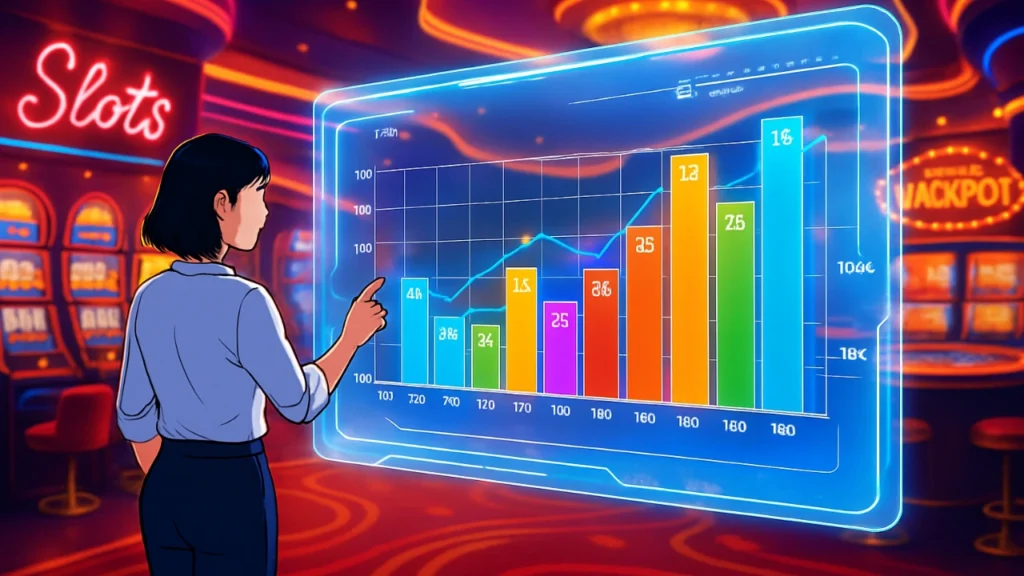
Calculating accurate profit margins ensures your game price settings support long-term business sustainability. Start with the true wholesale cost per credit from Epic Entertainment Games, including any transaction or payment processing fees. Add all operational expenses allocated to each transaction, rent, utilities, staff time, equipment, and marketing. This total cost per transaction forms your minimum pricing floor, helping you set a gaming setup price that covers costs and protects your business from losses.
Next, determine your target profit margin based on business goals, capital investment, and risk tolerance. Many gaming operators aim for 15-25% net margins, while higher-risk or capital-intensive setups may require 30%+ margins. Lower-overhead online operations might remain profitable at 10-15% due to volume and reduced fixed costs.
Continuously track actual margins, as input costs and operational expenses fluctuate. Monthly analysis ensures your game price settings and gaming setup price continue to achieve desired profitability while adapting to changing costs and opportunities.
Platform Selection Based on Payout Structures
Different online gaming platforms offer varying game selections, player experiences, and RTP configurations that appeal to different market segments. Epic Entertainment Games provides access to multiple premium platforms, including Juwa, Milky Way, Ultra Panda, Orion Stars, Vegas X, and River Sweeps. Each platform features distinct game portfolios with different payout percentages, visual styles, and gameplay mechanics that attract specific player demographics.
Juwa specializes in diverse game types, including fish games, slots, and table games with competitive RTP settings that appeal to players seeking variety and steady gameplay. Milky Way emphasizes high-quality graphics and immersive slot experiences with payout configurations favoring longer play sessions. Ultra Panda focuses on fish games and skill-based gameplay that attracts competitive players who prefer games where skill influences outcomes more than pure chance.
Choosing the right platform for your market requires understanding your customer base’s preferences and testing different options. Epic Entertainment Games allows operators to distribute multiple platforms simultaneously, enabling market testing without committing exclusively to one system.
Analyze which platforms generate the highest customer engagement, repeat purchases, and satisfaction in your specific location or customer segment, then optimize your offerings accordingly.
For players looking to get started quickly on one of the most popular platforms, you can explore the official options for purchasing Orion Stars credits through Epic Entertainment Games and begin playing with confidence.
Promotional Pricing and Bonus Credit Strategies
Strategic promotional game price settings drive customer acquisition and engagement without permanently cutting margins. Limited-time offers like “First-time customers get 20% bonus credits” or “Weekend special: $100 gets $120 in gameplay” create urgency and encourage trial among price-sensitive players. While these promotions temporarily reduce margins, they foster long-term customer relationships that support sustainable revenue growth.
Loyalty programs further enhance retention by rewarding repeat customers through tiered benefits, regular status earns 5% bonus credits, gold 10%, and platinum 15%, encouraging consolidation of purchases and increasing overall transaction volume.
Referral bonuses complement these strategies by turning existing customers into advocates. Providing bonus credits to both the referrer and the new customer incentivizes word-of-mouth growth at a lower cost than traditional advertising.
By integrating game price settings with loyalty and referral programs, businesses can maximize engagement, attract new players efficiently, and maintain profitability while creating a more loyal customer base.
Common Pricing Mistakes to Avoid
A common mistake in game price settings is overlooking all true costs. Many operators focus on wholesale credit costs and desired margins but forget payment processing fees, chargebacks, marketing expenses, customer service time, and equipment depreciation.
These hidden costs eat into profits that seemed promising initially. Implementing comprehensive cost accounting that captures both direct and indirect expenses ensures your pricing truly supports profitability and aligns with your gaming setup price objectives.
Simply matching competitor prices without considering differences in cost structure can hurt margins. For example, if a competitor runs mostly online with low overhead while you operate a physical location, copying their gaming setup price means you absorb their cost advantage. Instead, focus on offering added value, superior service, or a better location to justify slightly higher pricing.
Regularly reviewing and adjusting game price settings based on market shifts, wholesale costs, and competition ensures your business stays profitable and avoids rigid, outdated pricing.
Why Choose Epic Entertainment Games for Your Pricing Success
Partnering with the right game credit distributor directly affects your ability to implement effective game price settings. Epic Entertainment Games offers comprehensive support that helps operators maximize profitability through competitive wholesale pricing, instant credit delivery, and actionable business intelligence.
Our tiered pricing structure rewards volume purchases with better rates, allowing your margins to improve naturally as your business scales without the need to adjust retail game price settings. Combined with credit delivery within 30 minutes, you maintain optimal inventory without tying up excessive capital, boosting return on investment.
Our diverse, multi-platform portfolio provides strategic flexibility to optimize offerings based on customer preferences and payout structures. Platforms like Juwa, Milky Way, Ultra Panda, Orion Stars, Vegas X, and River Sweeps allow you to test different systems in your market and focus on the ones generating the highest customer satisfaction and repeat business. This platform-agnostic approach ensures you are never locked into underperforming systems while maintaining control over your game price settings.
With 24/7 support via WhatsApp, Telegram, and email, Epic Entertainment Games ensures you never lose transactions due to technical issues or delayed credit delivery. Our transparent, no-franchise-fee model simplifies financial planning by letting you factor wholesale pricing directly into margin calculations. By choosing a reliable game credit distributor, you safeguard profitability, operate competitively, and make pricing decisions based on actual costs rather than hidden fees.
Frequently Asked Questions
No, payout percentages (RTP) are set by platform providers and cannot be modified by individual operators. This standardization ensures fair play and regulatory compliance across all users of platforms like Juwa, Milky Way, and other systems available through Epic Entertainment Games.
Most successful operators achieve 15-25% net margins after all expenses when using appropriate game price settings. Physical locations with higher overhead typically target 20-25% margins to justify investment and operational complexity, while lean online operations may sustain profitability at 12-18% through higher volume.
Review game price settings monthly when starting out, then quarterly once pricing stabilizes. Monitor several factors during reviews: changes in wholesale costs from Epic Entertainment Games as your volume qualifies for better rates, competitor pricing adjustments in your market, shifts in operational costs, and customer feedback about pricing.
Conclusion
You now understand the fundamentals of game price settings and payout percentage configurations that drive profitable online gaming operations. This knowledge is valuable, but implementing it with the right partner transforms information into income.
Contact us at Epic Entertainment Games today to discuss your specific pricing strategy. Our team will review your market situation, competitive landscape, operational model, and growth goals, then provide personalized recommendations for optimal gaming setup price structures. We will explain exactly what wholesale rates you qualify for at different volume levels, helping you model pricing scenarios that balance competitiveness with profitability.


![How to Start the Winstar Online Game Business [and Get Top-Tier Credit]](https://epicentertainmentgames.com/wp-content/uploads/2026/01/Starting-on-Winstar-768x432.webp)